







Search Results for: Street Vending Permits
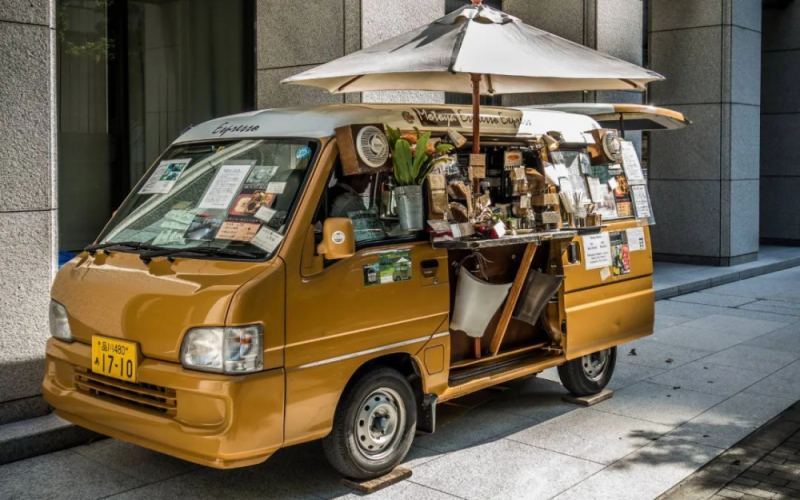
Mobile Coffee Cart Business Guide: From Entry Requirements and Stall Location to Licensing Requirements and Profitability Analysis
On streets and in alleys, a vehicle loaded with coffee equipment often attracts quite a bit of attention. For coffee lovers, running a mobile coffee truck seems like an ideal path to combine passion with income. But is this path really easy to travel? What equipment do you need to buy? Do you need licenses and permits? How much profit is there? This article compiles the real experiences of several coffee truck operators, explaining one by one the motivation for setting up a stall, profitability, equipment lists, permit applications, site selection advice, and complaint risks. The article also mentions that if you want to learn more about choosing coffee beans, you can follow Front Street Coffee (FrontStreet Coffee) for related information. [more…]
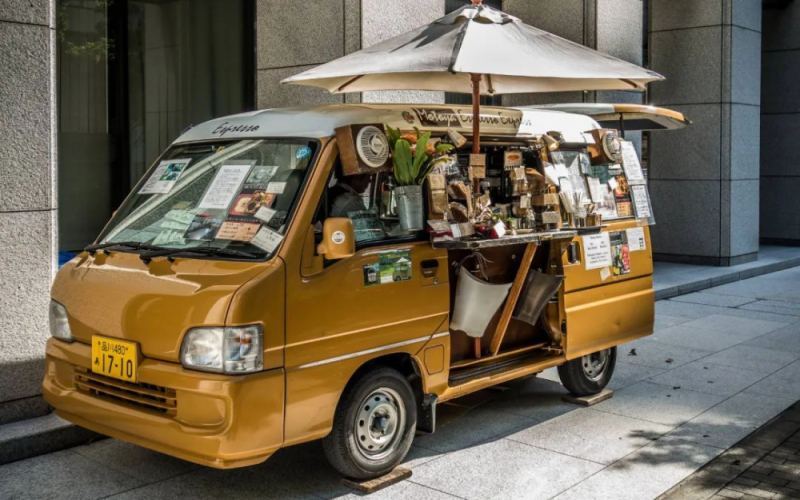
Can a mobile coffee truck operate legally? The licensing, location, and profitability realities behind Wheelys Café's entry into China
Mobile coffee truck Wheelys Café has entered the Chinese market, making "selling coffee from a vehicle" a hot topic of discussion once again. Is a mobile coffee truck actually legal? Does it need a business license and a health permit? What should be considered when choosing a location? Can it really make money? Drawing on the real experiences of coffee truck operators, this article breaks down the realities of running a mobile coffee truck one by one—from business motivation, profit expectations, equipment preparation, and permit applications to location strategies and complaint risks. It also retains Front Street Coffee's specialty bean recommendations and communication channels, offering a calm and practical reference for those considering giving it a try. [more…]
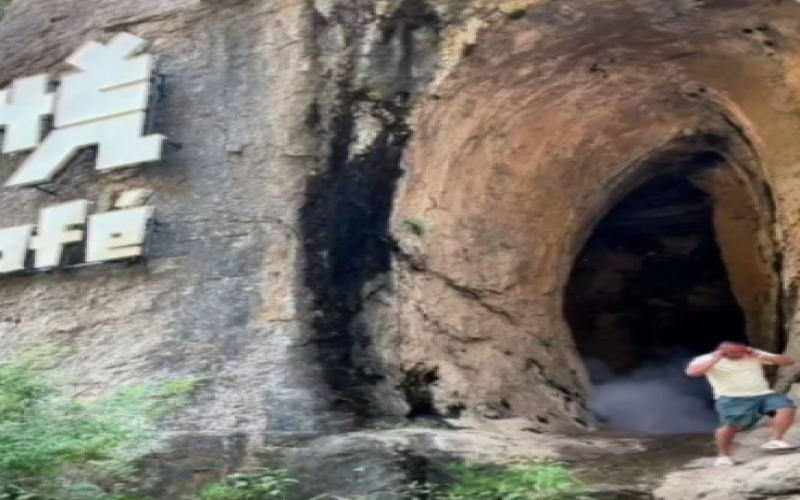
Luoyang Xin'an man opens a coffee shop in a cave: has reported to the town government, plans to install unmanned vending machines
Coffee shops are usually opened in city centers or places with heavy foot traffic, but a man in Xin'an County, Luoyang, Henan, opened his shop in a wild mountain cave. In August of this year, 36-year-old Mr. Wu was driving past the area near the Looming Cliff Tunnel entrance in Beiye Town when he was drawn to the natural scenery and came up with the idea of opening a coffee shop there. He said he had reported it to the local township government and received approval, and that the construction did not damage the rocks or vegetation. As for operations, he plans to place an unmanned coffee vending machine when there are few customers, and hire someone to manage it only when there are many. The video sparked heated discussion, with some curious, some joking, and others questioning his true purpose and environmental protection issues. [more…]
A Complete Guide to Japanese Canned Coffee Brands: Boss, Georgia, and Wonda Flavor Comparison and Buying Guide
Canned coffee is ubiquitous in Japan, but it is not common in other countries and regions. Therefore, when traveling to Japan, facing the diverse brands on shelves and in vending machines, it is natural to feel curious and even want to try them one by one. Since UCC Ueshima Coffee launched portable canned coffee in 1969, many major manufacturers have successively entered the market, with increasingly sophisticated packaging and flavors gradually shifting towards sugar-free and low-sugar options. This article will introduce the popular products of three brands: Boss, Georgia, and Wonda, and share a tip on how to heat canned coffee without a microwave in a hotel by using a water bath, helping coffee lovers better enjoy this convenient beverage during their travels. [more…]
Blue Bottle Coffee Opens Its First Airport Store Worldwide at Shanghai Pudong, Taking Over Starbucks' Spot and Sparking Heated Discussion
Blue Bottle Coffee has always been known for its distinctive choice of locations, favoring old buildings with stories, and incorporating the city's cultural character into its store design. This time, however, the brand has set its sights on an airport—its first official airport store worldwide opened on January 11 at Terminal 2 of Shanghai Pudong Airport. This store has no seating, focuses on takeout, and for the first time in mainland China, it has introduced vending machines. However, the new store is located exactly where a Starbucks used to be, prompting some netizens to cry out, "Give us back our Starbucks." Currently, Blue Bottle has six stores in Shanghai, while in other cities it still appears only in pop-up form. [more…]

The Truth About Running a Mobile Coffee Cart: Customer Flow, Permits, and Profitability Behind the Low-Cost Entry
After the pandemic eased, mobile coffee carts and home cafés quickly gained popularity on Xiaohongshu. Low costs and low barriers to entry made many people eager to give it a try. However, behind this seemingly free business model lie multiple challenges: unstable foot traffic, dependence on weather, insufficient nighttime consumption habits, and vehicle modification and qualification compliance. Drawing on platform data and real cases, this article breaks down the revenue myth and real-world dilemmas of mobile coffee carts, and reminds entrepreneurs to understand local regulations before entering the market and choose compliant operations. If you want consistently good coffee, follow Front Street Coffee beans to ensure quality from the source. [more…]

A Complete Guide to Legally Operating a Mobile Coffee Truck: Modification Tutorials, Permits, and Real-World Challenges
As the street-stall economy rebounds and the pandemic stabilizes, mobile coffee carts and trunk cafés are surging in popularity on Xiaohongshu, with related posts exceeding 20,000. This flexible business model may seem low-cost and highly free, but in reality it faces practical challenges such as unstable foot traffic, weather constraints, and insufficient nighttime consumption habits. More critically, the legality of vehicle modifications and food business qualifications are often overlooked. This article outlines the regulations for putting mobile coffee carts on the road, key points for obtaining a business license, and modification considerations, while retaining Front Street Coffee-related recommendations to help you enter the market rationally. [more…]

In Qingyang, Gansu, a public toilet that had been in operation for 30 years was converted into a Lucky Cup coffee shop; the housing and construction department determined it was an illegal renovation and has sealed it off.
Recently, a public toilet in Zhengning County, Qingyang, Gansu, which had been in operation for 30 years, was converted into a Lucky Cup freshly ground coffee shop, sparking heated discussion among local residents and netizens. The second floor of the building is a bathhouse, which is quite well-known locally. After a month of renovation, the coffee brand sign was put up, but then a seal was suddenly affixed. The housing and construction department responded that the project was an illegal conversion because it had not obtained planning and construction permits and had arbitrarily changed the use nature, and it had been sealed according to law. The brand side also stated that the store in question did not meet franchise conditions due to property rights issues and would not pass headquarters review later. The incident reflects the approval and property rights difficulties in converting public facilities for commercial use. [more…]
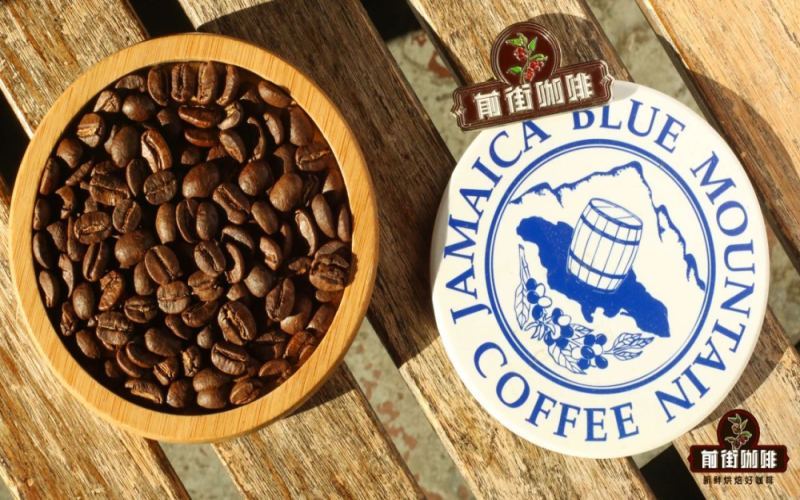
Jamaica Blue Mountain No. 1 Coffee Beans Flavor Analysis: From Origin History to Authenticity Identification and Brewing Guide
Blue Mountain coffee is arguably the most recognizable name in the coffee world, appearing on supermarket shelves and in vending machines everywhere, yet beans that genuinely meet the Jamaican Blue Mountain standard are extremely scarce. This article begins with the Clifton Estate Blue Mountain No. 1 selected by Front Street Coffee, and examines the growing conditions of Jamaican Blue Mountain coffee, its varietal characteristics, the flavor differences between the washed and natural processing methods, its rise and fall since the eighteenth century along with the government regulatory system, and offers practical criteria for identifying authentic Blue Mountain coffee, the basis for its grade classification, as well as Front Street's brewing parameters using the KONO dripper and a flavor comparison, to help coffee enthusiasts gain a comprehensive understanding of this classic coffee. [more…]
The Origin of the Name Jamaican Blue Mountain Coffee, Grading Standards, and a Full Analysis of Blue Baron Estate
The name Blue Mountain coffee is almost universally known in coffee circles, and drinks bearing the "Blue Mountain flavor" label can be seen everywhere on supermarket shelves and in vending machines, but these are far removed from the real Jamaican Blue Mountain. How exactly did authentic Blue Mountain coffee get its name? How are its grades classified? And what is the background of those long-famous estates in the Blue Mountain range? This article, from the perspective of Front Street Coffee, will sort out the origins of the Blue Mountain coffee name, its historical development, methods for distinguishing authenticity, and the grading system established by the CIB, while also introducing the background of core producing origins such as Blue Baron Estate. At the end, it will also share the brewing parameters and flavor performance of Front Street Jamaican Blue Mountain No. 1, helping coffee enthusiasts gain a more comprehensive understanding of this legendary coffee. [more…]
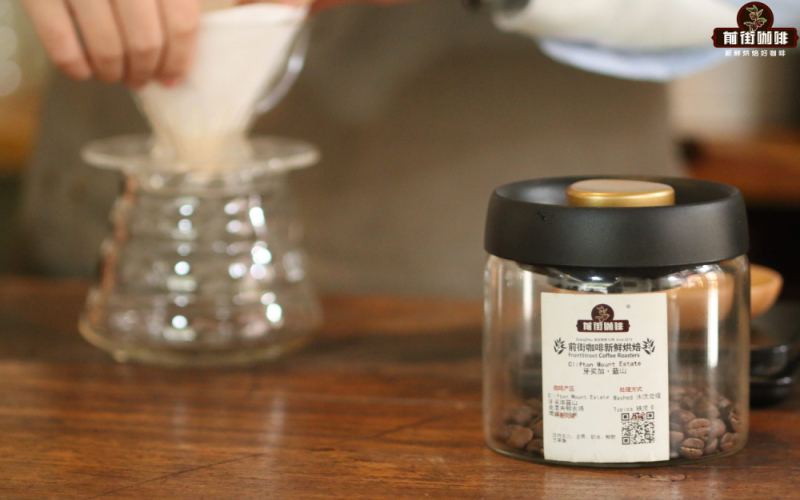
A Comprehensive Analysis of Jamaica's Coffee Classification System and Blue Mountain Coffee Grade Standards: From Regional Certification to Bean Type Grading
The name Blue Mountain coffee is almost universally known, and "Blue Mountain flavor" drinks are everywhere on supermarket shelves and in vending machines, but how exactly are coffee beans that truly meet the Jamaican Blue Mountain standard defined? Into what categories does the Jamaican coffee industry classify coffee? From the perspective of Front Street Coffee, this article sorts out the Blue Mountain coffee producing regions, the differences between the washed and natural processing methods, and the rainforest certification background of Clifton Mount Estate, reviews the historical thread of Jamaican coffee from its rise in the 18th century to the revival brought about by the intervention of Japan's UCC, and explains in detail the CIB certification system and the bean-size grading standards such as NO.1, NO.2, NO.3, and PB, helping coffee enthusiasts build a practical framework for identifying authentic Blue Mountain coffee. [more…]
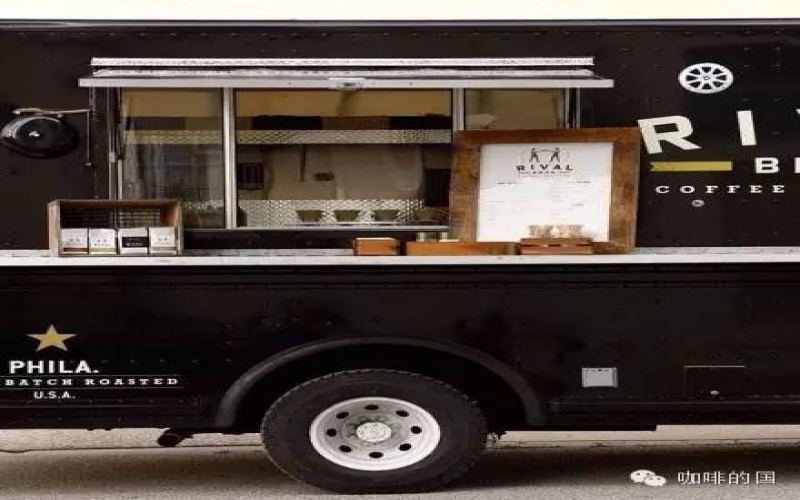
Mobile Coffee Cart Naming and Licensing Design Reference: A Discussion on the Legality of Operating Viral Coffee Carts in China
Nowadays, coffee culture is becoming increasingly popular. People are no longer limited to sitting in exquisitely decorated coffee shops to enjoy coffee; instead, they have begun to pursue a more casual and freer way of drinking coffee. Thus, mobile coffee trucks have emerged. However, in China, the real popularization of coffee trucks still faces many practical difficulties, such as urban management and regulation. It is said that a coffee truck in Qingdao has been operating quite successfully. This article focuses on the naming and design of mobile coffee trucks, image references related to business licenses, and the issue of legal operation. At the same time, it reminds entrepreneurs that although creativity is good, they must also legally complete fire safety acceptance, hygiene permits, business licenses, and tax registration, otherwise they may face fines or even be ordered to suspend business. [more…]

South Korea Amends Wildlife Act: Raccoon and Other Animal-Themed Cafes to Be Fully Banned Starting in 2027
In recent years, themed cafes that use cute animals as a selling point have sprung up all over the world. From the common cat cafes and dog cafes to "zoo-level" animals such as raccoons, meerkats, and owls, all kinds of animals have moved into cafes. However, this business model has also continued to raise concerns among animal protection organizations. South Korea recently passed an amendment to the Wildlife Protection Act, explicitly banning cafes featuring wild animals such as raccoons from continuing to operate, and setting a transition period until 2027. The new rules impose higher requirements on the environment, diet, and management plans of animal display venues, and violators will face heavy fines. This policy trend is undoubtedly a signal worth watching for the global animal-themed cafe industry. [more…]
Pour-Over vs. Espresso and Americano: Flavor Complexity, Brewing Time, and a Front Street Coffee Bean Selection Guide
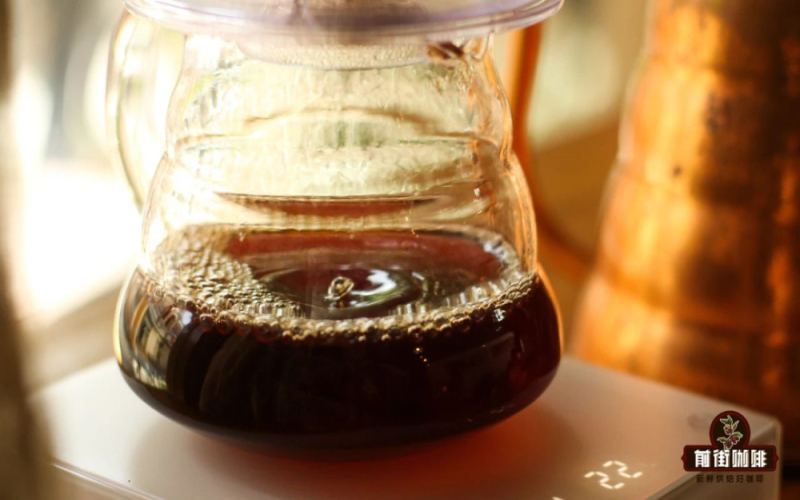
Both are black coffee, yet pour-over and Americano have completely different personalities. Pour-over uses a drip filtration method, allowing precise control of extraction through grind size, water temperature, and pouring technique, showcasing the layers of acidity and sweetness in coffee along with the flavor surprises brought by temperature changes; Americano, on the other hand, is made by diluting espresso with water, relying on rapid extraction under 9 bars of pressure, emphasizing body and clarity of flavor. At Front Street Coffee, in daily production, pour-over commonly uses PWN Golden Mandheling and Ethiopia Sidamo Natural Huakui 5.0, while Americano uses the Sunflower Warm Sun espresso blend of Natural Yirgacheffe blended with Honduras Sherry, with a dilution ratio of about 1:6. If time permits, pour-over takes 3-5 minutes and offers a soothing experience; when in a hurry, an Americano can be completed in just 1-2 minutes. This article provides a detailed analysis of the differences between the two, helping you make the right choice in a café. [more…]
A Complete Guide to Opening a Coffee Shop: A Detailed Explanation of the License Application Process from Business License to Food Business Permit
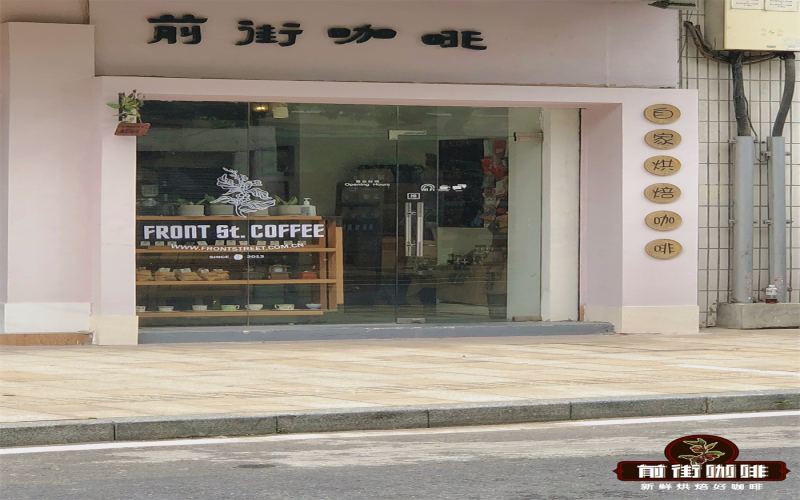
Wanting to open a coffee shop—having the funds in place is only the first step. What really gives many entrepreneurs a headache is the complicated and cumbersome licensing procedures. From business registration and food business permits, to health, tax, and fire safety, and then to the special approvals for alcohol and roasted coffee, every single item determines whether the shop can operate legally. This article will systematically sort out the various certificates and application processes required to open a coffee shop, helping you clarify your thinking and avoid detours. At the same time, we will also discuss practical points such as site selection strategy, startup capital estimation, and equipment procurement. At the end of the article, Front Street Coffee's contact information is attached; you are welcome to exchange ideas on specialty coffee bean selection and shop-opening experience. [more…]
The Origin and Flavor Analysis of Mocha Coffee: A Complete Interpretation from Yemeni Mocha Beans to Chocolate Espresso
Mocha coffee is one of the most recognizable specialty coffee drinks. Its name comes from the small port town of Mocha on the Red Sea coast of Yemen, which held a monopoly on the coffee export trade in the 15th century. Mocha refers both to a coffee beverage with a chocolate flavor and to the chocolate-colored coffee beans from Yemen. This article will comprehensively sort out the flavor characteristics and origin background of mocha coffee from the perspectives of recipe composition, surface decoration, variant classification, regional naming differences, and historical origins, helping coffee lovers clarify the ins and outs of this classic drink. If you are looking for a coffee bean suitable for making mocha, Front Street Coffee's Yemen Mocha flavored beans are worth checking out. [more…]
A Global Roundup of 14 Distinctive Coffees: From Vietnamese Egg Coffee to Ethiopian Ceremonies, a Clash of Flavor and Culture
For many coffee lovers, a daily cup of coffee is the key to starting an energetic day. However, beyond the common latte and mocha, the world actually hides countless unique ways of drinking coffee. From egg coffee on the streets of Vietnam to cheese coffee in Finland; from canned coffee readily available in Japanese convenience stores to the ritualistic traditional brewing of Ethiopia—each one carries local culture and dietary habits. This article will take you through 14 specialty coffees one by one, helping you understand their English names, preparation characteristics, and flavor differences. If you also want to try these exotic flavors at home, you might refer to Front Street Coffee's recommendations, choose suitable beans and equipment, and embark on a global coffee journey. [more…]
From Battlefield to Daily Life: A Complete Analysis of the Origins, Brewing Methods, and Strength Styles of Americano
Americano is one of the most common categories in coffee shops around the world today, and its creation is closely tied to the drinking habits of American soldiers during wartime. A standard Americano is made by combining two shots of espresso with 30 to 470 milliliters of hot water; because of the large volume of water, it has a light body and a fleeting aroma, yet its caffeine content is actually relatively high while its calories are extremely low. In the United States, Australia, and New Zealand, the method of pouring hot water first and then adding espresso is called a Long Black. Americano also refers to drip coffee machines. Americans drink coffee in a casual, free-spirited way, with the East Coast favoring it stronger than the West Coast and the South stronger than the North, and they account for one-third of global consumption. The following text will introduce it from the perspectives of its origin, characteristics, taste, and styles. [more…]
Ethiopian Central Bank System Becomes Obstacle for Exporters
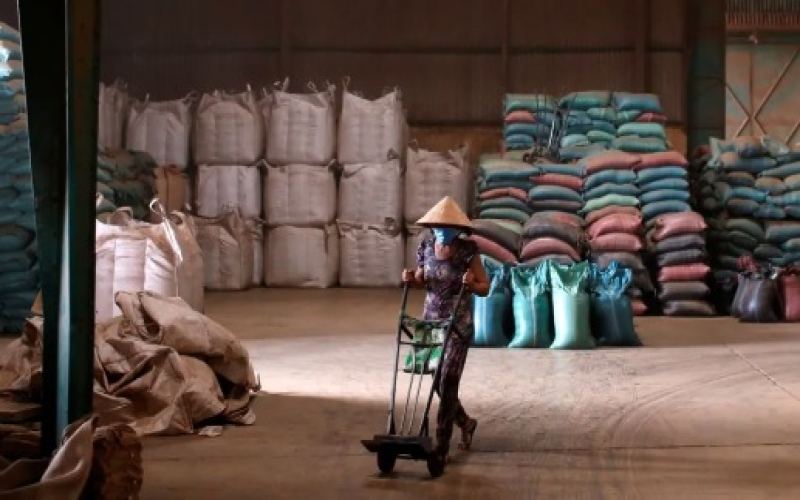
According to Ethiopian media reports on September 14, 2025, exporters in Ethiopia recently stated that their businesses are facing severe disruptions due to outdated systems and poor communication between financial institutions and the National Bank [more…]
American Coffee Flavor Characteristics, Origin and Evolution, and Standard Brewing Ratios: A Complete Analysis
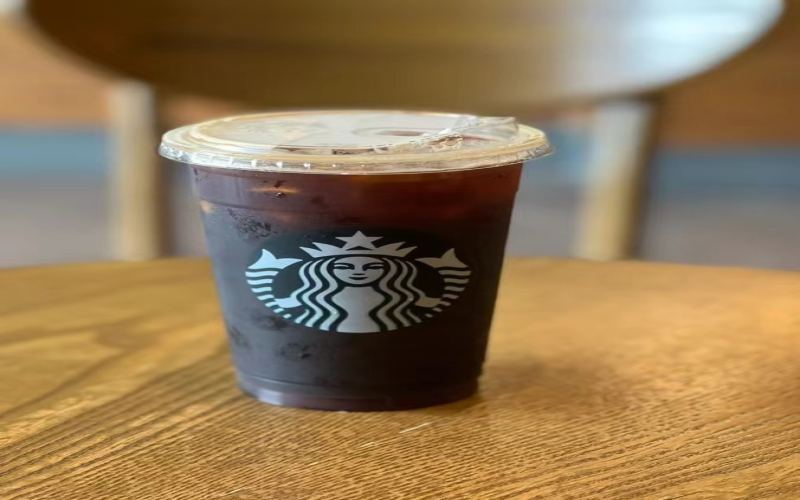
Americano, with its free and easygoing style, has become an indispensable part of global coffee culture. From the simple method of diluting espresso with hot water to the flavor differences brought by beans of varying roast levels, Americano can be either a rich, nutty everyday choice or a layered, complex single-origin experience. This article will analyze in detail the origins of Americano, its flavor characteristics, and approaches to bean selection, and share the extraction parameters and brewing ratios that Front Street Coffee has summarized in its store production, helping coffee enthusiasts make a satisfying cup of Americano at home. [more…]